
Have you ever tried to eat more plant-based foods, only to feel stuck, wondering what to eat or if you’re doing it “right”? You’re not alone.
Transitioning to a plant-based way of eating can feel overwhelming—so much so that many people give up before they’ve even started. Whether it’s spending too much time cooking, struggling to find satisfying meals, or feeling unsure about getting enough nutrients, these roadblocks can take the joy out of eating. In fact, research shows that one of the main reasons people abandon plant-based meal plans is because they feel unprepared for the lifestyle shift.
But it doesn’t have to be this way.
If you’ve been thinking about going plant-based—or simply eating more plant-focused meals—you’re in the right place. Here are five common mistakes people make when transitioning to a plant-based diet and, more importantly, how to avoid them.

Mistake #1: Trying to Change Everything Overnight
When people adopt a plant-based lifestyle, they’re often excited and eager to make a change, leading them to go all-in from day one. It’s tempting to clear out your larder, stock up on groceries, and commit to an entirely new way of eating overnight. But this “all-or-nothing” approach can feel overwhelming and is often unsustainable. Instead of building a lasting habit, you might end up frustrated, slip back into old patterns, or feel guilty if you don’t get it perfect right away.
A better strategy is to start small. Focus on one plant-based meal a day or dedicate a single day each week to meat-free meals. This gradual approach allows you to experiment with new foods, find what you enjoy, and build confidence over time. These small steps can eventually lead to lasting habits, making plant-based eating a seamless part of your routine.
Some of my favourite plant-based meals include a hearty quinoa salad with roasted vegetables—think butternut squash, courgette, and sundried tomatoes—a creamy coconut chickpea curry, or a quick stir-fry with tofu and seasonal veggies. I’m also a big fan of this superfood salad, created by The Food Medic, which includes garden peas, red onion, mint, and pomegranate—delicious!

Mistake #2: Relying on Too Many Processed Foods
In the rush to find quick and convenient plant-based meal options, turning to products like faux meats, frozen meals, or vegan snacks is tempting. These can feel like lifesavers on busy days, but many are ultra-processed, packed with additives, high in sodium, or loaded with hidden sugars.
Chris van Tulleken, in his book Ultra-Processed People, points out that while these plant-based alternatives are marketed as healthier, they’re still often as processed as traditional junk food. They’re designed for convenience but can contain artificial flavours, preservatives, and excessive salt or sugar, hindering your health goals. While it’s OK to indulge in processed treats occasionally, relying on them too often can leave you feeling sluggish or unsatisfied. These products often lack essential nutrients, and frequent consumption can contribute to unhealthy eating habits. Always check the labels of ready-made items for added sugars, sodium, or artificial ingredients to make more informed choices.
An alternative is prioritising simple, whole foods that are both nourishing and quick to prepare. Staples like grains, legumes, fresh vegetables, and nuts can form the foundation of satisfying meals with minimal prep time. For instance, roasted sweet potatoes make an excellent base for toppings like black beans, avocado, or tahini dressing. Grilled or roasted aubergine and cauliflower also work well in curries or as standalone dips. For a hands-on approach, try making homemade veggie patties with black beans, oats, and spices for customisable burgers. If you’re looking for minimally processed meat alternatives, swap animal proteins for tofu or tempeh in tacos or burgers. These options not only contain less saturated fat but also offer more fibre, depending on which you choose.
Mistake #3: Struggling to Find Plant-Based Protein Sources
One of the most common misconceptions about plant-based diets is that they lack sufficient protein. Many people worry about feeling fatigued or struggling to recover from workouts because they aren’t sure which plant-based foods provide enough protein. This uncertainty can lead to meals that feel incomplete, don’t keep you full for long, or even trigger overeating later in the day.
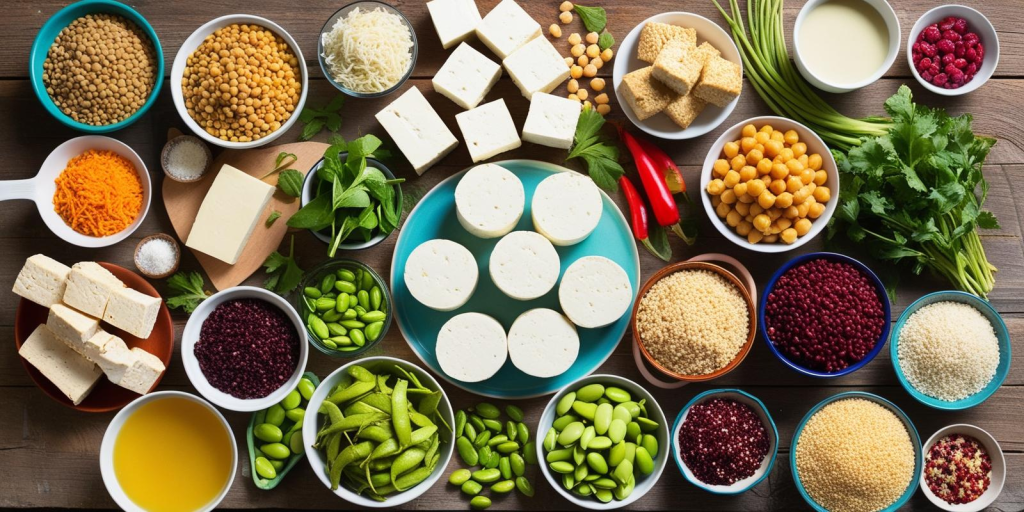
Building your meals around various protein-rich staples is key to keeping plant-based meal prep exciting and balanced. Beyond lentils and chickpeas, consider incorporating edamame, which works as a protein-packed snack or an addition to stir-fries and salads. Seitan, made from wheat gluten, offers a meat-like texture and is perfect for stir-fries, sandwiches, or stews. For quick nutrition boosts, try spirulina or nutritional yeast—great for adding protein and B vitamins to soups, smoothies, or even popcorn. Explore grains like amaranth, a lesser-known option high in protein that’s ideal for porridge or grain bowls, or try pea protein-based foods like pasta or smoothies for variety.
Pair these proteins with healthy fats and complex carbohydrates for balanced meals that sustain you and help with muscle recovery. For example, a quinoa salad with roasted vegetables, hummus, and a sprinkle of seeds can be both delicious and nutrient-packed. By embracing this wider range of options, you’ll feel confident creating satisfying, diverse, and nutritious meals.

Mistake #4: Skipping Meal Planning
For many people, the idea of meal planning for plant-based diets feels like one more chore on an already busy to-do list. Without a clear plan, it’s easy to grab whatever is convenient, even if it doesn’t align with your plant-based goals. This can lead to repetitive meals, unbalanced nutrition, or resorting to less healthy processed options. As a busy working mum of two, I’ve struggled with finding time to meal prep and fit healthy eating into my family’s daily life. But with a bit of planning and flexibility, it’s possible to make nutritious meals a seamless part of our routine.
Taking just 10 minutes each week to map out your meals can make all the difference. Start by planning simple recipes and batch-cooking basics like grains, beans, or roasted vegetables that can be mixed and matched throughout the week. Having a fridge stocked with prepped ingredients ensures you can throw together quick, healthy meals even on your busiest days. Over time, meal planning for plant-based diets becomes second nature and helps you feel more organised and less stressed about what to eat. For anyone who enjoys the tangy kick of acidic foods, Bon Appétit and Epicurious’ Dinner SOS podcast recently aired an episode titled I Need Crisp, Briny Pickles. This episode dives into creating the perfect half-sour pickle with practical tips on achieving the ideal texture and flavour, all while keeping the process simple enough to tackle on a busy work night.
Beyond pickling, taking advantage of single tray bakes, air fryers, and batch cooking can revolutionise your kitchen routine. Tray bakes are an effortless way to roast vegetables, proteins, or grains with minimal cleanup—try combining seasoned cauliflower, chickpeas, and sweet potatoes for a balanced, flavourful meal. Air fryers are excellent for adding a crispy texture to vegetables, a quality sometimes missed in plant-based dishes. They can also help reheat meal prep items while maintaining their taste and texture. Batch cooking at the start of the week helps prep foundational ingredients that serve as the base for quick, nutritious meals. Salads and sales with hardy greens like kale or cabbage also hold up well when prepped ahead of time, offering a fresh crunch with minimal effort each day.

Mistake #5: Not Seeking Support
When you’re trying something new, it’s easy to feel like you need to figure it all out on your own. Many people don’t seek support because they’re unsure of where to look or worry about being judged for their choices. This isolation can make the transition to plant-based eating feel lonely or harder than it needs to be, especially if the people around you aren’t making similar changes.
Connecting with others who share your goals can make all the difference. Whether it’s joining a group programme, participating in online forums, or finding a friend to try new recipes with, having a supportive community helps you stay motivated and learn from others’ experiences. Sharing challenges and successes with like-minded individuals can make the journey more enjoyable and rewarding.
How to Successfully Transition to a Plant-Based Lifestyle
These mistakes are common, but they don’t have to hold you back from enjoying a vibrant, balanced, plant-based lifestyle. With the right mindset and a few simple steps, you can make plant-based eating a natural part of your routine.
If you’re ready to take the stress out of going plant-based, Plant-Powered January offers a step-by-step guide to help you fuel your body, energise your workouts, and discover just how delicious plant-based eating can be. With meal plans, expert advice, and a supportive community, this program makes it easy to start the year off right.
Join us this January and kickstart your plant-based journey with all the tools you need for success.
 Nutrition, Fitness and Lifestyle Coaching