
The festive period is upon us—a time for indulging and living in the moment. But as we enjoy the season, it’s easy to let healthy habits slip away.
Come January, we often feel drained and scramble to get back on track. The problem is, putting off health goals until the new year can lead to frustration and burnout as we try and go from zero to hero all at once.
So why not take a gentler approach and begin now? Even a few simple steps during the holiday season can help you build momentum and make the new year feel less daunting. From making breakfast ahead to starting the day hydrated, here are five tips to help you navigate holiday eating without overindulging.
1. Prep Your Breakfasts for the Week
Mornings can feel like sprints, especially during the holidays when schedules get even busier. But skipping breakfast—or grabbing something less than nourishing—can leave you feeling sluggish by mid-morning. A little preparation goes a long way in setting yourself up for a productive and energised day.
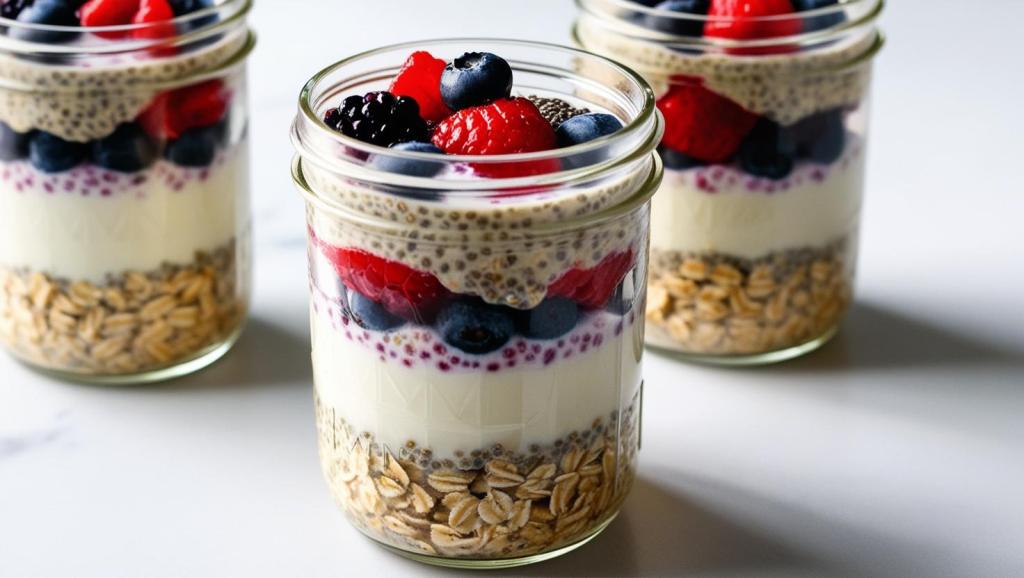
Start by choosing a few easy, high-protein breakfast options that can be prepped ahead. Overnight oats are a lifesaver: mix rolled oats with plant-based milk (my go-to is unsweetened almond milk), chia seeds, and your favourite festive toppings like dried cranberries, pecans, or a drizzle of maple syrup or melted dark chocolate. Pop them in the fridge overnight, and they’re ready when you are. Another great option is chia pudding—just whisk chia seeds with plant-based milk and a touch of vanilla or cocoa powder, then let it set.And if you prefer a savoury breakfast, try batch-baking some savoury muffins! I just love these festive cinnamon-roasted sweet potato, thyme, and feta muffins from Well Nourished. Prepping ahead not only saves time but also takes the guesswork out of mornings. You’ll avoid the temptation of sugary cereals or expensive, less healthy café options and instead start your day with energy-boosting nourishment.

2. Cook Once, Eat Twice
Cooking during the holiday season can feel like a chore, but with a “cook once, eat twice” mindset, you can do more with less effort and stress. The idea is simple: whenever you cook, make extra. This approach not only saves time but also ensures you always have something nutritious on hand. Here, plant-based chef Rachel Ama talks about making more to make life less stressful.
Hearty dishes like soups, stews, and casseroles are comforting on cold winter days. They’re also easy to double and store well. A warming bean casserole or lentil stew can serve as dinner one night and lunch the next day. Hot take: lentils are also delicious in a nut loaf, like this festive lentil walnut loaf. Divide the leftovers into individual portions for quick grab-and-go meals or freeze them for busier days.
Batch-cooking grains like quinoa, rice, or farro is another game-changer. Cook a large pot at the beginning of the week and use it in different ways—stir into a veggie stir-fry, top with a wild mushroom stuffing, or add to salads. For high-protein options, consider roasting a tray of chickpeas or marinating and grilling tofu in advance. These can be tossed into wraps, salads, or buddha bowls.
The key is variety: cooking versatile dishes makes you feel like you’re eating something new, even when using the same base ingredients. This strategy helps you avoid the “Let’s just order a takeaway” trap while reducing mealtime stress.

3. Add a Vegetable to Every Meal
Let’s face it—getting enough veggies can feel challenging during the holidays, especially with more decadent foods tempting us at every turn. But adding just one vegetable to every meal can make a significant difference without requiring a complete dietary overhaul.
Start small. For breakfast, toss a handful of spinach or kale into your smoothie—it blends right in without changing the flavour. Alternatively, dice some tomatoes and peppers to add to your scrambled tofu or savoury muffins.
For lunch and dinner, think beyond the traditional side salad. Roast a batch of seasonal vine or root vegetables like carrots, squash, or Brussels sprouts and keep them in the fridge for easy meal additions. Oh, and some red cabbage with apples brings a festive touch to any meal.
When it comes to holiday dishes, you can get creative with plant-based sides. Roasted sweet potatoes with a citrus salsa or maple-glazed carrots are guaranteed to impress at any winter gathering. Sneaking veggies into your meals not only increases fibre and nutrients but also energy and satisfaction. It’s all about progress, not perfection.

4. Stock Up on Convenience Items
Having a well-stocked larder and freezer can be a lifesaver during the busiest time of the year. Healthy eating doesn’t have to mean hours in the kitchen, especially when you have convenient ingredients ready to go.
Frozen vegetables are a must-have. They’re just as nutritious as fresh and can be thrown into soups, stir-fries, or pasta in minutes. Stock up on staples like spinach, broccoli, peas, and mixed veggie blends. For protein, keep canned beans and pre-cooked chickpeas and lentils on hand—they’re perfect for quick salads, stews, or even homemade veggie burgers.
Pre-cooked grains like quinoa, brown rice, and farro are also great to have ready on busy days. You can buy these pre-packaged or cook them in batches and freeze portions for later. Other handy items include wholegrain wraps or pitta bread for quick lunches, rice cakes for snacks, and nut butter for an energy boost.
Don’t overlook spice blends, sauces, and condiments—they’re the secret to making simple meals taste amazing. From harissa paste to tahini, having a variety of flavour enhancers means you’ll never get bored with your meals.By keeping your kitchen stocked with versatile, healthy basics (as well as a few essential utensils and tools), you’ll have everything you need to throw together a meal in minutes—no last-minute dashes to the supermarket runs required!
5. Start the Day Hydrated
The first thing you consume each day can set the tone for the hours ahead. While coffee is the go-to for many, starting with a glass of water instead can be a game-changer for your energy levels and overall well-being.
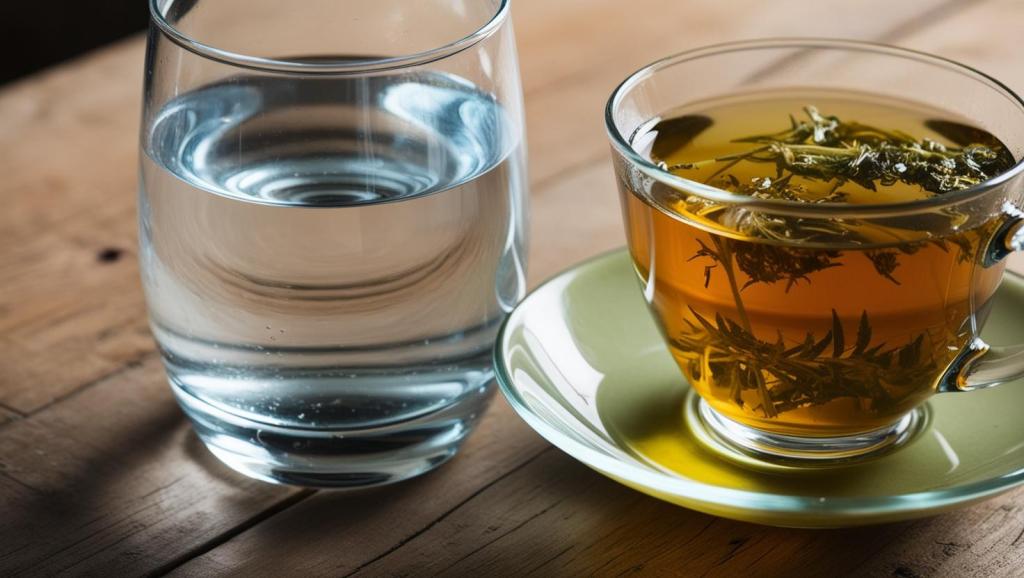
When you wake up, your body is naturally dehydrated after a night’s sleep. Drinking a glass of water first thing rehydrates you and helps kickstart your metabolism. Add a squeeze of fresh lemon or a pinch of sea salt to replenish electrolytes for an extra boost.
Why does this matter? Dehydration can lead to fatigue, headaches, and cravings—none of which are helpful during the busy holiday season. Making hydration your first habit of the day gives your body a solid foundation to handle the festive chaos.
To make this habit stick, keep a water bottle or glass by your bedside so it’s the first thing you see in the morning. And don’t stop there—carry a reusable water bottle throughout the day to stay hydrated on the go.This small, simple step can lead to more significant changes. Once you feel the benefits, you’ll be more likely to make other healthy choices, like swapping sugary drinks for herbal teas. Bone broth is also a great way to keep hydrated while providing essential nutrients that support joint health, gut health, and overall immunity. For a meat-free version, try this mushroom and turmeric vegan “bone” broth.
It’s About Progress, Not Perfection
The holidays aren’t the time to aim for perfection. Instead, focus on small wins that keep you motivated. By starting with these simple habits now, you’ll enter January feeling confident and prepared.
And what’s next? Plant-Powered January offers meal plans, expert guidance, and a supportive community to help you create these sustainable plant-based habits. From easy recipes to step-by-step guidance, it’s the perfect way to fuel your active lifestyle with a variety of delicious plant-based meals. Let’s do this!

FAQs
Q: Is it possible to eat healthy during the holidays?
A: Absolutely! The key is balance. Enjoy your favourite festive treats while incorporating simple, nutritious habits like adding veggies to meals and staying hydrated.
Q: Do I need to be fully plant-based to join Plant-Powered January?
A: Not at all! This programme is flexible and designed for anyone looking to incorporate more plant-based meals into their routine, no matter where you start.
Q: How much time will I need for meal prep?
A: With the tips and recipes provided, you can prepare meals in under an hour a week. Small changes, like doubling recipes or prepping breakfasts, make a big difference without taking up your time.
 Nutrition, Fitness and Lifestyle Coaching